0
0
7 Bottlenecks That Quietly Reduce Warehouse Output
Introduction
Warehouse productivity can decline even when a site looks busy. Small delays, repeated travel, equipment queues, blocked aisles, and unplanned interruptions can accumulate across a shift without creating one obvious failure point. Managers can address these warehouse bottlenecks more easily by tracing where goods, people, and lift trucks repeatedly stop or slow down. This article looks at seven common constraints and practical ways to reduce their impact.
Key Takeaways
- Output is often limited by repeated small delays rather than a single major problem.
- Assess layout, equipment choice, task timing, and fleet availability together because one constraint can affect several processes.
- Measuring where time is lost helps teams focus improvement efforts on the bottleneck that is actually restricting output.
7 Common Bottlenecks and How to Address Them
1. Congested Receiving and Dispatch Areas
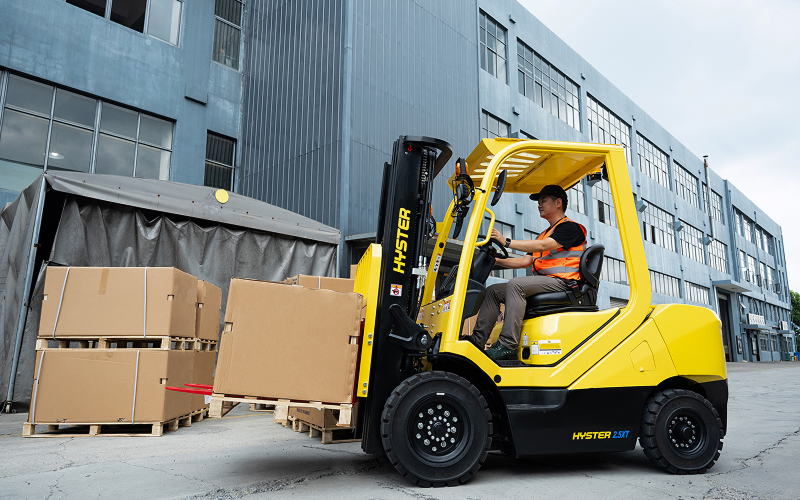
Receiving and dispatch areas bring together vehicles, pallets, operators, and handling equipment, so congestion can spread quickly. Inbound goods left in staging for too long may obstruct outbound preparation or travel lanes, especially during peak periods.
How to address it: Separate inbound and outbound staging where practical, clearly mark waiting zones, and assess whether staging space is sufficient for peak, not average, volumes. If the problem is seasonal or short-term, temporary labour or rental equipment may be more suitable than a permanent layout change.
2. Long or Inefficient Travel Routes
Operators can stay active all day while spending too much time travelling. Fast-moving stock stored far from picking or dispatch areas, repeated backtracking, and poorly located replenishment stock can reduce warehouse efficiency without being immediately obvious.
How to address it: Review slotting according to movement frequency, shorten routes between receiving, storage, picking, and dispatch, and place frequently handled inventory closer to where it is needed. The aim is to reduce unnecessary distance per task, not simply increase travel speed.
3. Equipment That Does Not Suit the Task
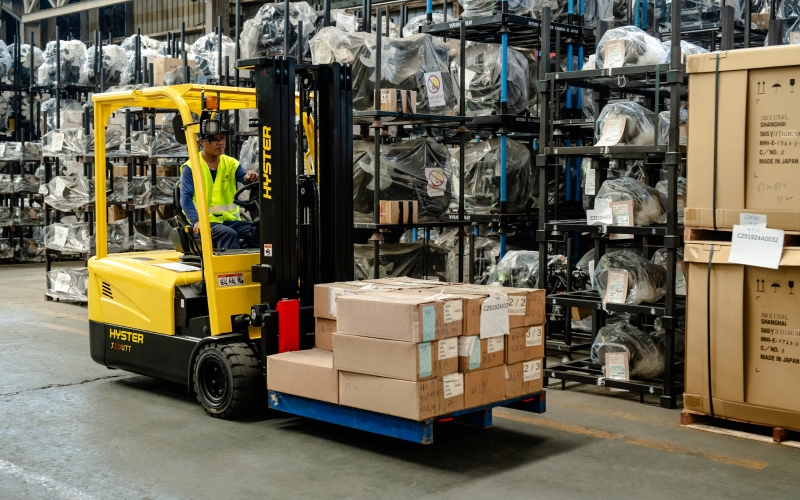
A lift truck may be capable of moving a load but still be a poor operational fit. A counterbalance truck used for repeated short pallet transfers may require more manoeuvring than necessary, while equipment that is undersized for the load or application can slow each cycle.
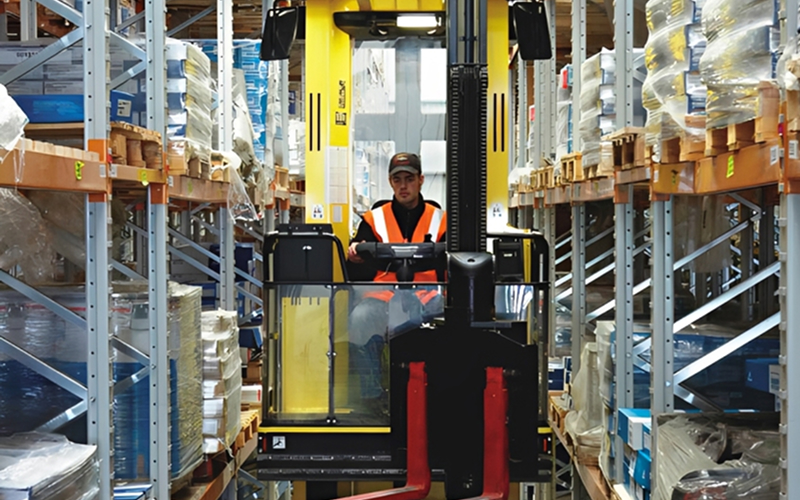
How to address it: Match equipment to the movement, load, aisle width, lift height, and operating environment. Pallet trucks can support horizontal transport, reach trucks may suit higher racking and narrower aisles, and counterbalance forklifts can be useful around loading bays and open areas. Choosing the right warehouse forklift should therefore begin with the task, not a specification in isolation.
4. Picking and Replenishment Competing for the Same Space
Picking can slow when replenishment equipment repeatedly enters the same aisles during busy fulfilment periods. The result is waiting, blocked access, and extra manoeuvring, particularly in narrow or high-density storage areas.
How to address it: Replenish fast-moving locations before peak picking periods where practical, keep enough stock in forward-pick locations, and separate replenishment routes or timings from picking activity. This kind of warehouse workflow optimisation can reduce interruptions without requiring additional equipment.
5. Operators Waiting for Shared Equipment
A warehouse can have enough lift trucks overall but still experience shortages at particular times. Several teams may need the same pallet trucks, reach trucks, or order pickers during one part of the shift while other equipment remains idle.
How to address it: Review utilisation by truck type, task, and time of day. If one category is consistently oversubscribed, changing the fleet mix or reallocating equipment may improve warehouse productivity more effectively than simply increasing the total number of trucks. Hyster-Yale Lift Trucks Singapore’s fleet management services can also support a more structured review of utilisation across a larger fleet.
6. Unplanned Forklift Downtime
One unexpected breakdown can affect several processes at once. Remaining trucks take on more work, operators queue for equipment, and replenishment or loading activities may fall behind.
How to address it: Use preventive maintenance, maintenance records, and pre-shift checks to identify developing issues before they cause longer interruptions. In Singapore, pre-shift or pre-operational checks should confirm that a forklift is in safe working condition. During repairs or temporary demand spikes, short-term rental may help maintain handling capacity without permanently expanding the fleet. Reducing avoidable downtime can protect warehouse productivity during busy periods.
7. Poor Visibility Into Warehouse Performance
Some constraints continue because teams track total output without measuring where time is lost. Late dispatches, for example, may originate in picking delays, equipment shortages, replenishment timing, or congestion much earlier in the process.
How to address it: Track a focused set of measures such as travel time, equipment utilisation, waiting time, picking delays, downtime, and recurring congestion points. Comparing these across shifts and peak periods can show where the strongest constraint sits.
How Can You Identify What Is Slowing Your Warehouse Down?
Follow the movement of goods from receiving to dispatch and note where work repeatedly slows, stops, or requires extra movement. Look for queues, operators waiting for equipment or aisle access, repeated backtracking, heavily used or frequently idle trucks, delayed replenishment, and recurring downtime.
Compare normal and peak periods. A process that works adequately at average volume may become the main constraint when demand rises. The most useful improvement is the one that addresses the limiting factor. Adding more labour or equipment will not necessarily raise warehouse productivity if the underlying issue is routing, staging space, task timing, or an unsuitable equipment mix.
Conclusion
Persistent delays often come from several small constraints interacting across the warehouse. By reviewing workflow, layout, utilisation, and equipment suitability together, managers can identify where changes are most likely to improve warehouse productivity.
At Hyster-Yale Lift Trucks Singapore, we provide material handling equipment, rental, maintenance, and fleet support for different operational requirements. If you are reviewing whether better fleet allocation, additional capacity, or a different equipment mix could address a recurring bottleneck, please contact us to discuss your operation.