0
0
Is Your Picking Process Slowing the Warehouse Down?
Key Takeaways
- Delays often build up when workers spend too much time travelling, waiting, navigating congestion, or moving goods more than necessary.
- Improving efficiency starts with reviewing where stock is placed, how people move through the facility, and when replenishment takes place.
- The way goods are retrieved and moved should reflect order volumes, storage layout, load requirements, and the busiest periods of operation.
- Temporary capacity can help during seasonal peaks, while recurring delays may point to broader changes in layout, workflow, or fleet planning.
Introduction
When orders start taking longer to leave the warehouse, picking often gets blamed first. Yet the operator reaching for the item may be only a small part of the delay. Time disappears while people walk between distant locations, wait for an aisle to clear, search for available equipment, or return to the same zone repeatedly. As volumes rise, those small losses become visible.
A well-designed warehouse picking system removes friction around each pick instead of demanding that people move faster. When we review an operation, we look at how inventory, routes, replenishment, staging, and equipment interact. That practical approach reflects how Hyster-Yale Singapore supports warehouse decision-makers: understand the application first, then build the material-handling solution around operating needs.
What Usually Slows Warehouse Picking Down?
Problems within a warehouse picking system rarely come from one dramatic failure. More often, several small inefficiencies overlap. Fast-moving stock may sit too far from dispatch. Popular items may occupy awkward locations. Forklifts, replenishment teams, and pedestrians may compete for the same aisle. Operators may also repeat routes because orders are released in a way that sends them back through zones they have already visited.
That is why we examine warehouse order picking as part of the wider material flow. Long travel distances, equipment queues, excessive manual carrying, and repeated retrieval routes can all point beyond the picking task itself. Before adding headcount, track where time is actually spent. You may find that layout, replenishment timing, or movement between picking and staging is creating the real constraint.
How Can You Improve Warehouse Picking Efficiency?
Improving a warehouse picking system starts with identifying where travel, waiting, or congestion build up around each pick. We use a structured review across four areas: where stock sits, how orders are picked, which equipment supports each movement, and when replenishment enters the aisle. Each decision should reduce wasted travel or waiting without shifting the bottleneck somewhere else.
Position Inventory Around Picking Frequency
Slotting should follow demand, not whichever location happened to be empty when stock arrived. Put faster-moving SKUs nearer packing or dispatch where practical, and reserve less convenient locations for slower movers. Products frequently ordered together can also be positioned to reduce backtracking.
Review those positions as demand changes. A SKU that once moved quickly can later leave prime picking space underused. If operators repeatedly move small palletised loads across long horizontal distances, an electric pallet truck may be worth assessing for your Singapore operation. Check travel distance, load weight, aisle conditions, and charging requirements before continuing to rely on manual movement by default.
Match the Picking Method to Your Order Profile
The best process depends on order size, SKU range, daily volume, and how inventory is spread. Among common order picking methods, discrete picking can suit smaller operations because one order is completed at a time. Batch picking can reduce repeated travel for similar orders, while zone picking keeps operators within designated areas and moves orders between zones.
The important question is what happens downstream. A method that cuts walking but creates heavy sorting, staging, or coordination work may simply relocate the delay. We compare the travel saved with the extra touches introduced, then judge whether the overall flow improves.
Use the Right Equipment for Each Movement
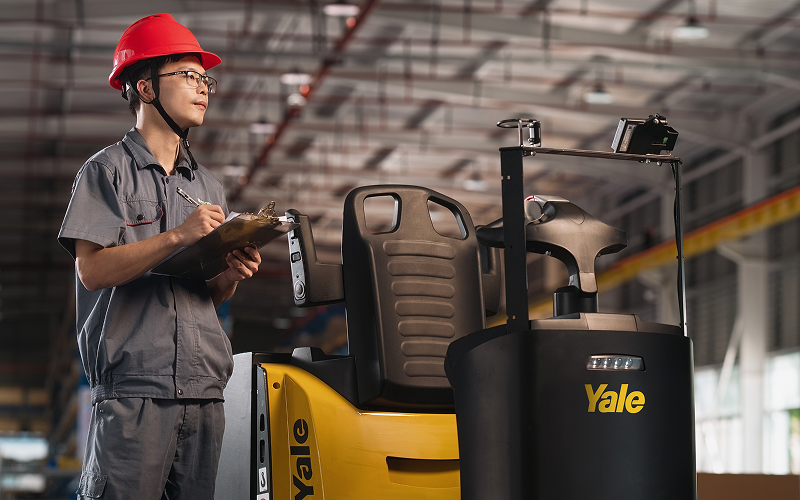
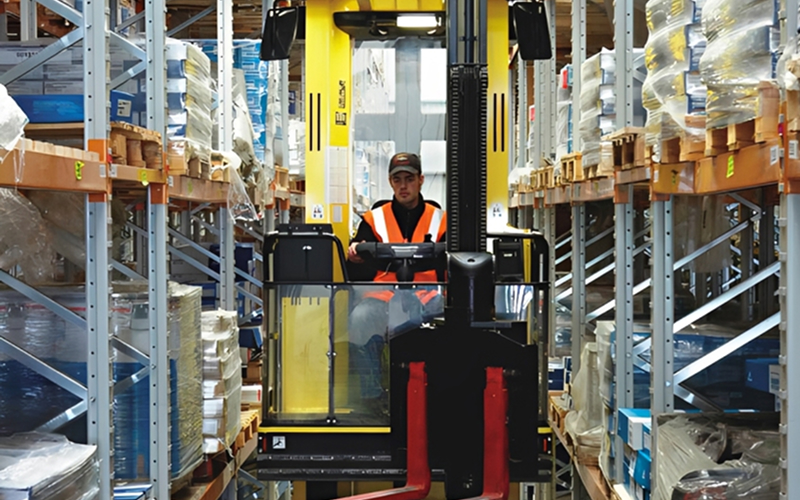
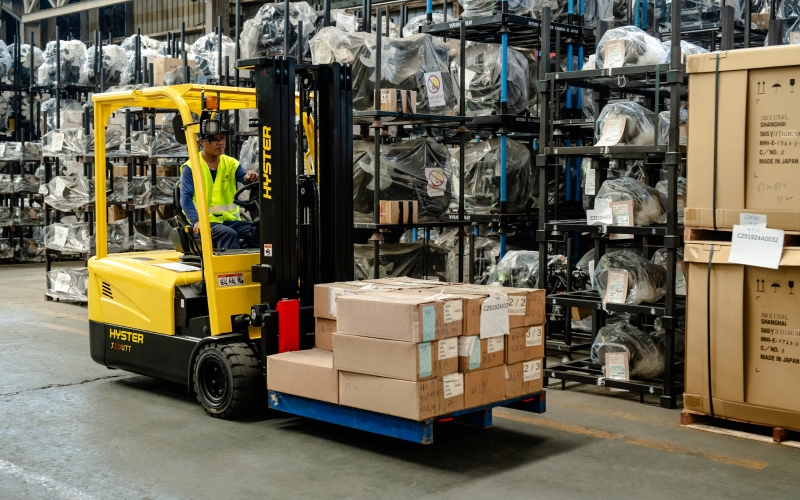
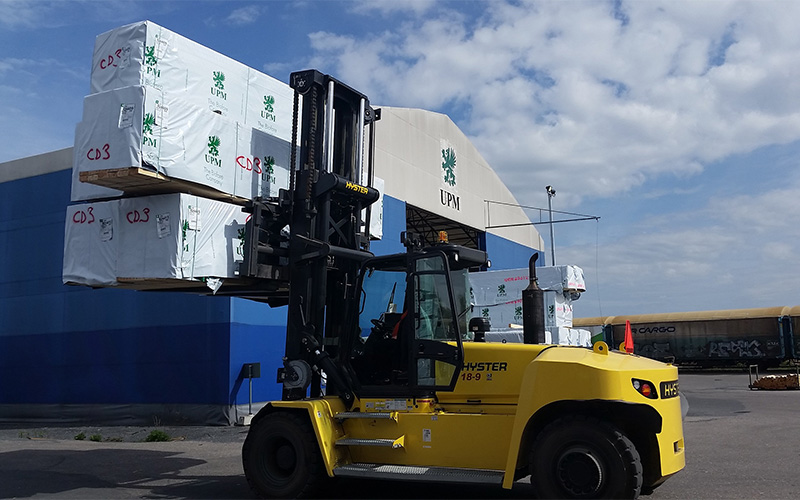
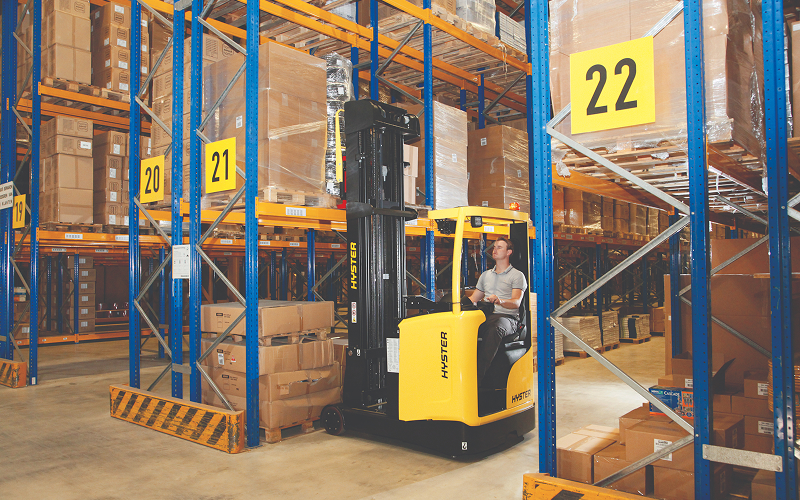
Your warehouse picking equipment should reflect the task. Order pickers can support item or case retrieval at different levels. Pallet trucks suit horizontal movement between picking, staging, and dispatch. Reach trucks can support replenishment or pallet retrieval from racking, while counterbalance forklifts fit many receiving, staging, and loading movements in suitable open areas.
Using one truck for everything often creates unnecessary waiting or brings larger equipment into simple movements. We look at the broader mix of warehouse material handling equipment so each stage has appropriate capacity. A Singapore warehouse automation project demonstrates one way of reducing unnecessary travel through the warehouse: using optimised storage and retrieval routes while placing frequently needed goods closer to retrieval points. Equipment choices should therefore be assessed against load requirements, aisle widths, operating conditions, and the movements they need to support.
Separate Picking From Replenishment Where Possible
Picking and replenishment can obstruct each other when they share the same aisle at the same time. A warehouse picking system becomes difficult to stabilise if operators regularly stop to bring down reserve stock or a reach truck blocks access to a forward-pick location.
Where practical, replenish outside peak picking periods. If that is not possible, prioritise fast-moving locations before they run low and organise routes to reduce crossover. Forward-pick stock should be sufficient for expected demand without creating excessive inventory at the face. The objective is to keep picking moving without avoidable stops caused by empty pick locations or replenishment conflicts, not simply to keep shelves fuller.
When Is It Time to Review Your Picking Setup?
A warehouse picking system that worked at a smaller scale may struggle after order volumes rise, SKU counts expand, or racking changes. Warning signs include longer travel times, regular equipment queues, recurring aisle congestion, peak-period delays, frequent replenishment interruptions, or additional labour producing little improvement in throughput.
Temporary pressure does not always justify a permanent fleet increase. Seasonal demand may be better supported by forklift rental options in Singapore or other short-term handling capacity. If the same constraints appear throughout the year, however, we would review layout, picking logic, replenishment, and fleet utilisation together before committing to more equipment.
Conclusion
Your next step should be a focused review of where time is lost between order release and dispatch. Map travel, waiting, replenishment conflicts, and equipment demand across a normal shift and a peak period. Then compare those findings with your current fleet and storage layout.
At Hyster-Yale Lift Trucks Singapore, we can work with you to assess the handling requirements behind those bottlenecks and consider whether a different equipment mix, fleet capacity, or short- or longer-term rental support would better match your operation. Speak with our team to review your picking workflow and identify a material-handling setup that supports your current and future warehouse requirements.