0
How Equipment Choices Can Reduce Strain on Warehouse Operators
Key Takeaways
-
Repetitive movements throughout a shift can gradually increase physical strain.
-
How goods are positioned and moved can reduce unnecessary bending, reaching, walking, pushing, and pulling.
-
Equipment should suit the load, travel distance, working height, aisle conditions, and frequency of the task.
-
Operator feedback can help identify where equipment setup or workflow changes may be needed.
Introduction
Warehouse work rarely becomes physically demanding because of one dramatic movement. Strain builds through smaller actions: walking to the next bay, turning to check clearance, climbing on and off a truck, pulling a load, or reaching for stock. We approach warehouse ergonomics by looking at the whole task. You need to see where effort repeats and whether the equipment supports the operator or adds work.
Common Ergonomic Risks In Warehouse Work
Picking, replenishment, loading, and internal transport all place demands on the body. Repeated lifting and carrying can load the back and shoulders, while pushing or pulling heavy loads over distance can make work harder. Improving manual handling safety starts with identifying which loads are moved, how often they move, and where mechanical assistance could remove avoidable effort.
Posture matters too. Repeated bending to floor-level stock, reaching above shoulder height, twisting around a pallet, or leaning past a load can become tiring. Long periods of standing, driving, walking, or frequent mounting and dismounting also accumulate across a shift.
Equipment can add strain when it is poorly matched or set up. Uneven floors can increase vibration. Poor seating can make driving periods uncomfortable. Controls requiring repeated stretching or excessive force create recurring demand. When we review material handling equipment, we look beyond capacity and ask how the truck will be used hour after hour.
The goal is to reduce repeated physical demands before awkward or demanding movements become accepted as part of the job. Observe where operators slow down, change posture, reposition loads, or compensate for poor access. For local context, you can also review MOM’s response on work-related musculoskeletal disorders alongside your risk assessment. Ask not only whether a task can be completed, but what completing it repeatedly requires from the operator.
How Can Warehouse Operators Improve Worker Ergonomics?
Improvement often comes from design decisions working together. You may only need to move fast-moving stock, shorten travel, change the handling method, or adjust a truck.
Position Frequently Handled Goods Within Easier Reach
Start with slotting. Frequently picked items should occupy accessible positions where practical. Heavier products that move often should not force operators to lift from floor level or reach overhead. Reserve comfortable working heights for the SKUs that generate the greatest handling activity.
Travel matters. If an operator repeatedly crosses the warehouse for the same product family, the layout adds effort and time. Better slotting can reduce unnecessary operator movement without changing equipment. Grouping fast movers nearer dispatch, packing, or replenishment points can remove unnecessary steps.
Choose Equipment That Reduces Unnecessary Physical Effort
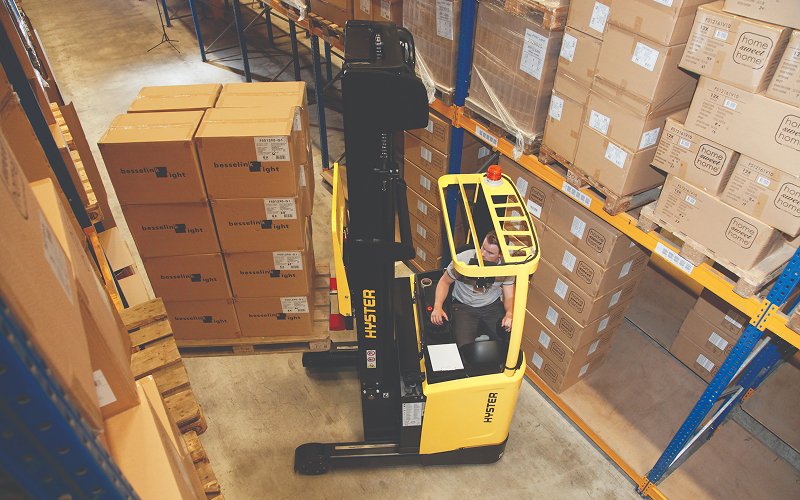
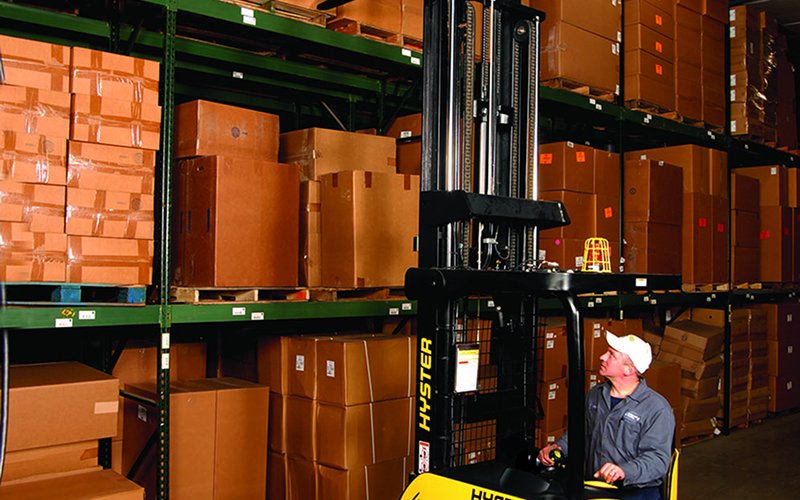
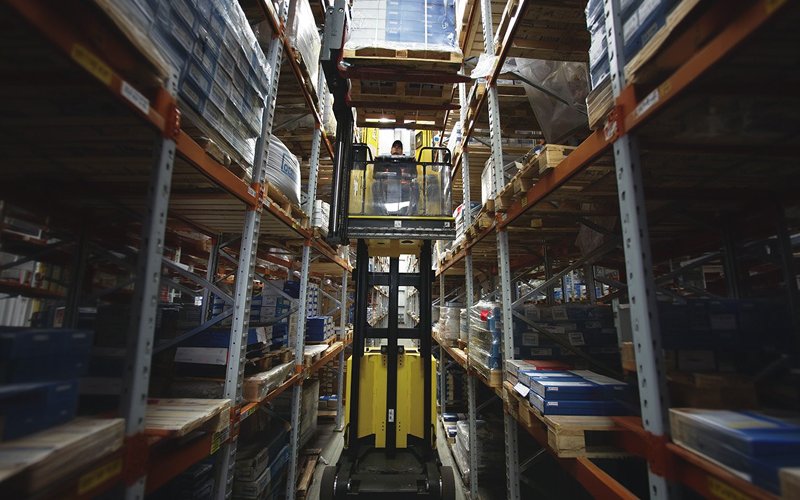
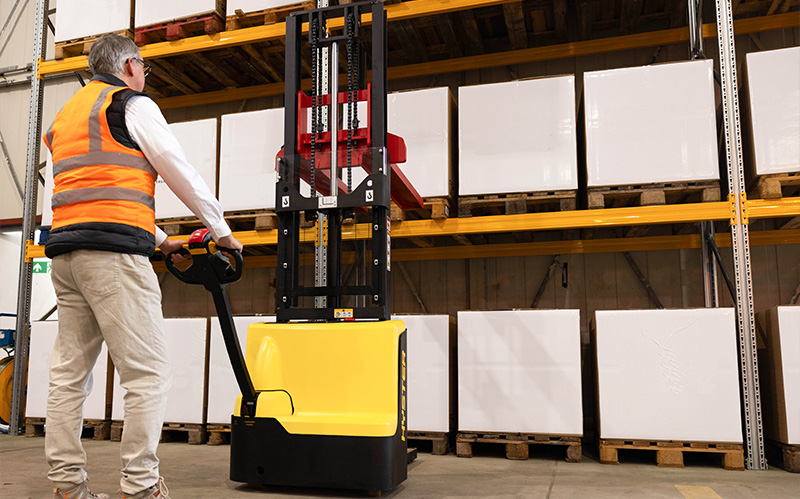
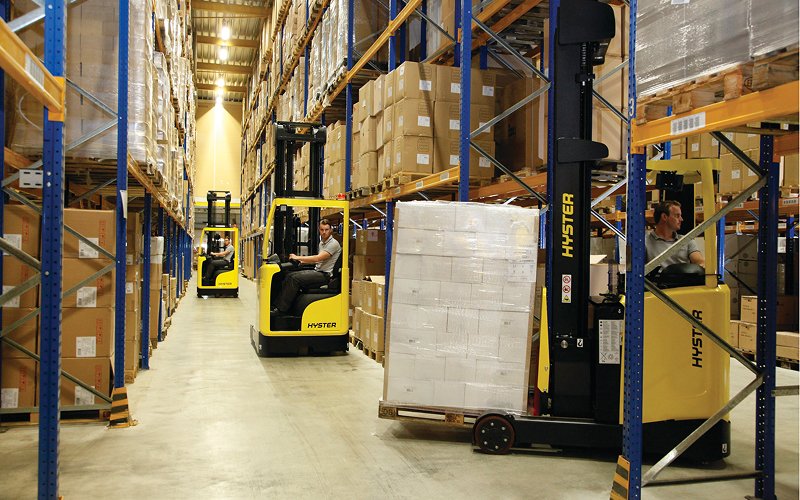
The right warehouse equipment should incorporate ergonomic features that reduce repetitive physical effort. An electric forklift can take pallet movement away from manual handling. Powered pallet jacks can reduce pushing and pulling over distance. Ride-on units can cut walking, while order pickers, reach trucks, and stackers can improve access to goods stored at height. For example, Yale MR-series reach trucks include a full-suspension adjustable seat with lumbar support and a high-visibility mast, features that can reduce whole-body vibration and repeated line-of-sight adjustments.
We still match the truck to the application. Load weight, travel distance, lift height, aisle width, floor condition, shift length, and handling frequency matter. An oversized or poorly suited powered solution can create problems. Good warehouse ergonomics comes from choosing equipment around the work pattern, not assuming more power automatically means less strain.
Reduce Repetitive Movements Through Better Workflow Design
Look for movement that adds no value. Backtracking, empty trips, awkward handovers, and distant workstations consume energy. Replenishment can be timed to reduce travel, while picking sequences can help operators move with fewer unnecessary turns and reversals.
Where one task repeats the same motion for long periods, suitable task rotation may help. The aim is to prevent one posture or movement from being repeated continuously for hours, while still keeping the workflow practical.
Adjust Equipment And Work Areas To The Operator
Adjustability only helps when it is used. Seats, armrests, steering columns, controls, and working heights should be set for the operator where possible. Adequate manoeuvring space and clear sightlines can reduce repeated leaning or twisting when checking loads, rack positions, or pedestrian areas.
Operator feedback should be part of the review. If people report the same discomfort on the same route or truck, treat that as operational information. Repeated complaints may reveal ergonomic risks in the warehouse caused by equipment setup, floor conditions, workflow, visibility, or the application itself. Investigate the pattern instead of expecting the operator to adapt.
Can Better Ergonomics Also Improve Warehouse Productivity?
Yes. Physical effort and process waste often come from the same source. When operators walk too far, reposition themselves repeatedly, struggle with manual loads, or wait for suitable equipment, the warehouse loses time and energy. Better task design can support steadier performance by removing unnecessary movement rather than asking people to work faster.
This is where equipment selection and workflow design should meet. Pallet trucks can suit repetitive horizontal pallet movement, while other applications may call for ride-on units, order pickers, reach trucks, or stackers. When the operator can reach goods without unnecessary bending, stretching, or repositioning, handle the load with the right aid, and follow a logical route, each cycle becomes easier to repeat consistently.
Productivity improves when small interruptions are reduced. Fewer awkward picks mean less repositioning. Shorter travel paths mean less dead time. Better visibility can reduce hesitation during manoeuvring. Having suitable equipment available when needed can reduce waiting. Matching the truck to the task can also reduce delays caused by using a poorly suited unit. These changes remove avoidable effort.
Conclusion
Your next step is to review the tasks that create the most repetition, not only the heaviest lifts. Map the load, distance, height, aisle, frequency, and operator movement, then decide whether layout, workflow, or equipment should change.
At Hyster-Yale Lift Trucks Singapore, our support includes fleet management, rental, aftermarket support, and genuine parts. Contact us to review your application requirements and identify equipment options that can better support operator comfort and daily productivity.