0
What Is a Reach Truck and When Does a Warehouse Need One?
Key Takeaways
-
This type of truck suits frequent pallet put-away and retrieval in indoor racking.
-
Compact designs can support denser layouts, but aisle width and residual capacity still matter.
-
Selection should start with pallets, racks, floor conditions and duty cycle.
-
Counterbalance forklifts may remain better for mixed indoor and outdoor work.
Introduction
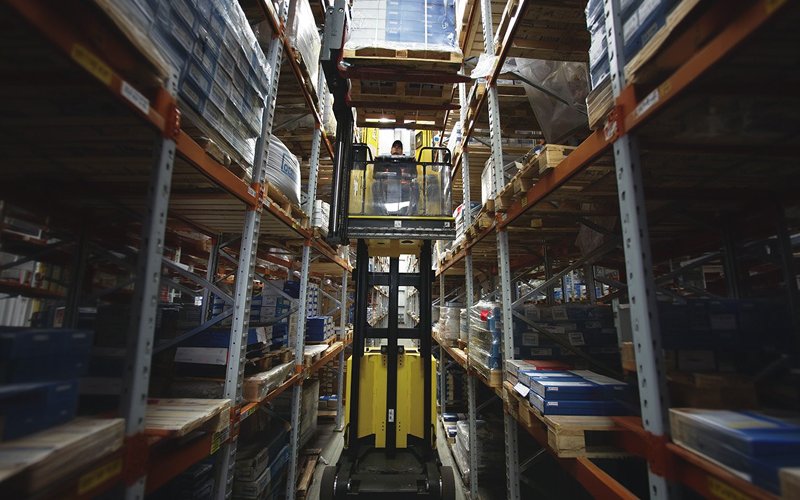
Warehouse space becomes harder to use efficiently when truck requirements take up too much aisle space or limit access to racking. A reach truck moves palletised goods into racking with less turning room than many counterbalance forklifts. Its mast or fork carriage extends towards the rack, keeping the truck body compact. This can help you dedicate more floor area to racking and use vertical storage more effectively.
This equipment becomes relevant when existing trucks require wide aisles, upper rack positions are difficult to access, or operators spend too long positioning for put-away. The real question is whether the machine fits your storage strategy, load profile and daily movement pattern.
How Does a Reach Truck Work?
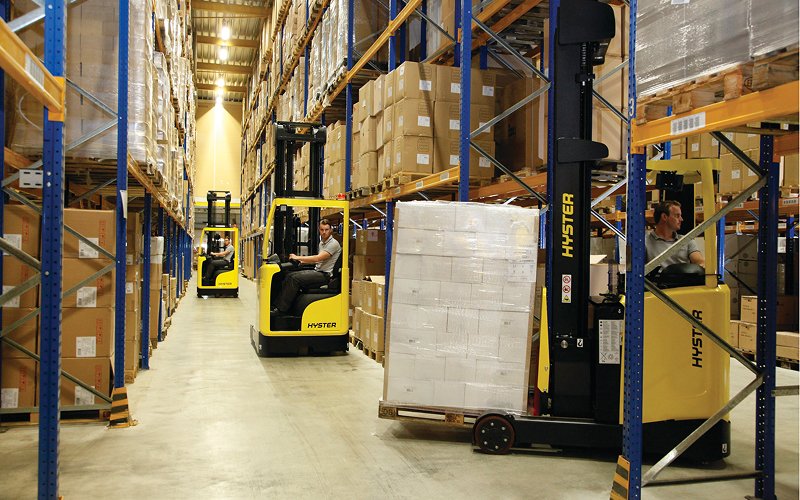
The defining movement is the “reach”. The mast or fork carriage extends forwards to collect or place the pallet, so the whole truck need not move deeply towards the rack. A typical reach truck combines a narrow chassis, high-lift capability, electric power and an operator position for repeated warehouse travel. It suits indoor movement between staging areas and racking.
Compactness is only part of productivity. Operators still need sightlines, rack approaches and room to position loads smoothly. We assess warehouse lifting equipment by considering the truck, aisle, rack and task as one operating system rather than treating the machine as an isolated purchase.
How It Differs from a Counterbalance Forklift
A counterbalance forklift carries the load ahead of the mast and balances it with rear weight. It is versatile across loading areas, yards and warehouse space but usually needs more room to turn towards racking. By contrast, a reach model uses an extending load-handling mechanism that reaches towards the rack, reducing how far the truck itself must manoeuvre towards the rack face.
For you, the practical differences are aisle width, lift height, manoeuvring space, surfaces and indoor versus outdoor work. A counterbalance model may be the more flexible option when choosing a warehouse forklift for a site where one unit covers several duties. This type of specialised equipment is more suitable when most of the shift involves indoor pallet put-away and retrieval.
When Your Warehouse May Need One
The strongest signal is a change in how space needs to perform. A warehouse reach truck can become useful when racking is getting higher, conventional forklifts consume too much aisle space, or pallet put-away and retrieval make up a large share of activity. It can also support upper racking when the required load remains within capacity at the intended height.
Warehouse size alone does not determine whether this equipment is suitable. A compact site with high-level pallet storage can have a greater need for specialised equipment than a larger facility where pallets remain at floor level. We look at movement frequency, storage density, replenishment patterns and awkward manoeuvres to see whether the fleet supports the process or constrains it.
How Aisle Width and Racking Height Affect the Decision
In a narrow aisle warehouse, more floor area can be dedicated to racking, but tighter geometry leaves less room for assumptions. You need the aisle width, pallet overhang, rack dimensions, turning requirements and operating clearance. Floor condition and obstructions matter because a specification that works on paper still has to perform consistently under actual aisle and floor conditions.
Lift height needs the same discipline. A reach truck may physically access the top beam while carrying less at that height than at lower levels. Residual capacity therefore matters. Match the heaviest pallet, load centre and intended lift height against capacity data rather than relying on a headline truck rating.
What Loads are Suitable
Standard palletised goods suit this equipment when pallet condition, dimensions, weight and load centre fit the configuration. We also consider stability and handling frequency. A pallet may meet the weight limit yet create poor conditions if goods are tall, offset, unstable or difficult to see around.
Irregular, oversized or especially heavy loads deserve separate assessment. Different forks, attachments or another truck type may be more appropriate. Equipment choice should also fit your wider risk controls, including safe machinery use, operator training, traffic routes, load characteristics and site procedures, rather than being treated as a purchasing decision in isolation.
When Another Truck May Be the Better Fit
Specialisation comes with trade-offs. If most work happens outdoors, floors are uneven, trucks frequently load vehicles, pallets stay mainly at ground level, or one machine must serve different areas, a reach truck may not be practical. Very narrow aisle systems can also require dedicated VNA equipment designed around tighter rack layouts.
This is why we recommend against selecting equipment by lift height alone. Travel distance, dock work, gradients, surfaces, doorways, pallet flow and task switching can change the recommendation. Where demand is seasonal, or your operating pattern is still being tested, forklift rental services can provide flexibility before you commit to a longer-term fleet structure.
What to Check Before Choosing
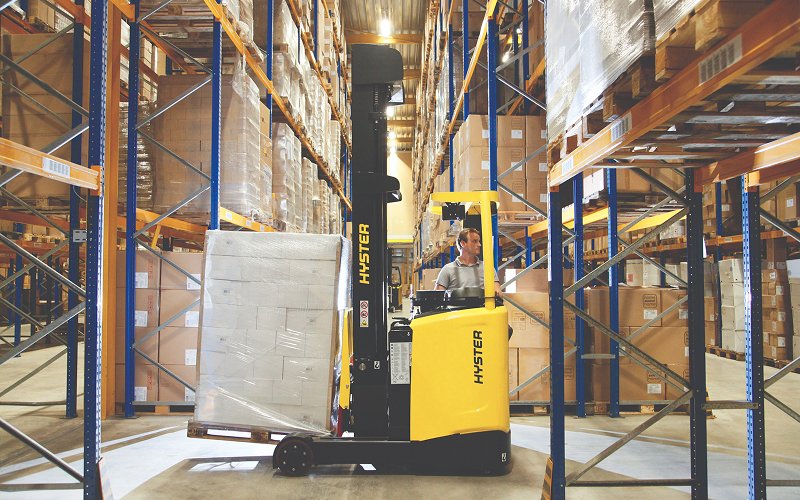
Start with measurements and operating data, not a model name. Record clear aisle width, maximum rack height, pallet dimensions, heaviest load, load centre, required clearance, floor condition, operating hours and travel distance. Then review battery capacity, charging windows and electrical infrastructure. These details help us narrow the configuration around the work rather than asking your operation to adapt after delivery.
Operator experience and traffic management belong in the same review. Consider pedestrian routes, crossing points, visibility, rack protection and queueing areas. Before finalising equipment, align the truck choice with your site risk assessment and Singapore’s workplace safety and health responsibilities, particularly the need for safe equipment, suitable controls, instruction, training and supervision.
Conclusion
If your warehouse is running short of practical rack space or manoeuvring room, map the operation carefully before comparing machines. We can review aisle dimensions, rack heights, pallet weights, duty cycle, charging windows and movement patterns, then discuss whether purchase or rental fits.
Hyster-Yale Lift Trucks Singapore can support you with equipment rental, fleet consultancy, maintenance and genuine parts support, helping you plan for equipment availability and ongoing servicing rather than focusing on one specification. Speak with our team to review your warehouse layout, load profile, duty cycle and equipment options before deciding which truck configuration best fits your workflow.